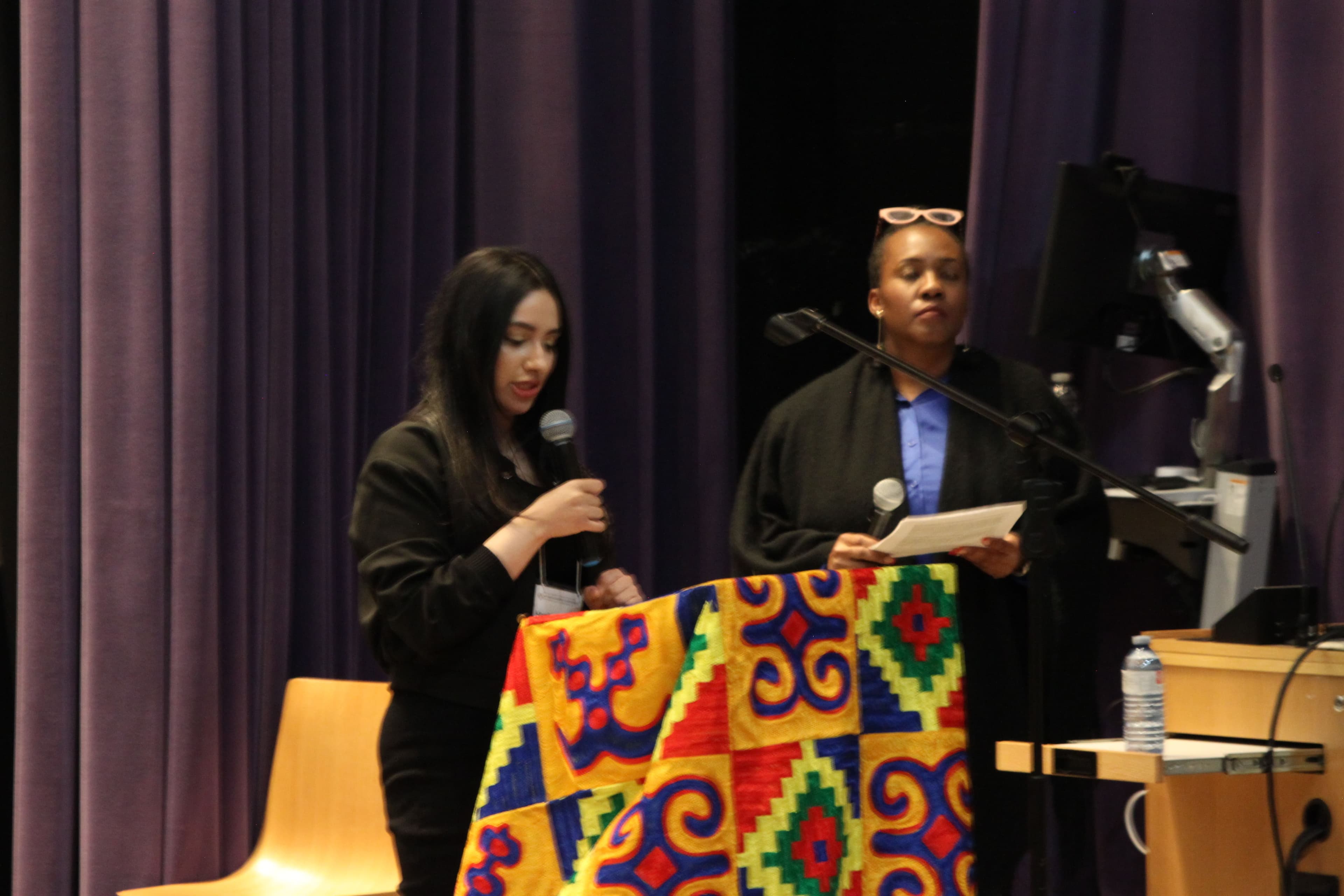
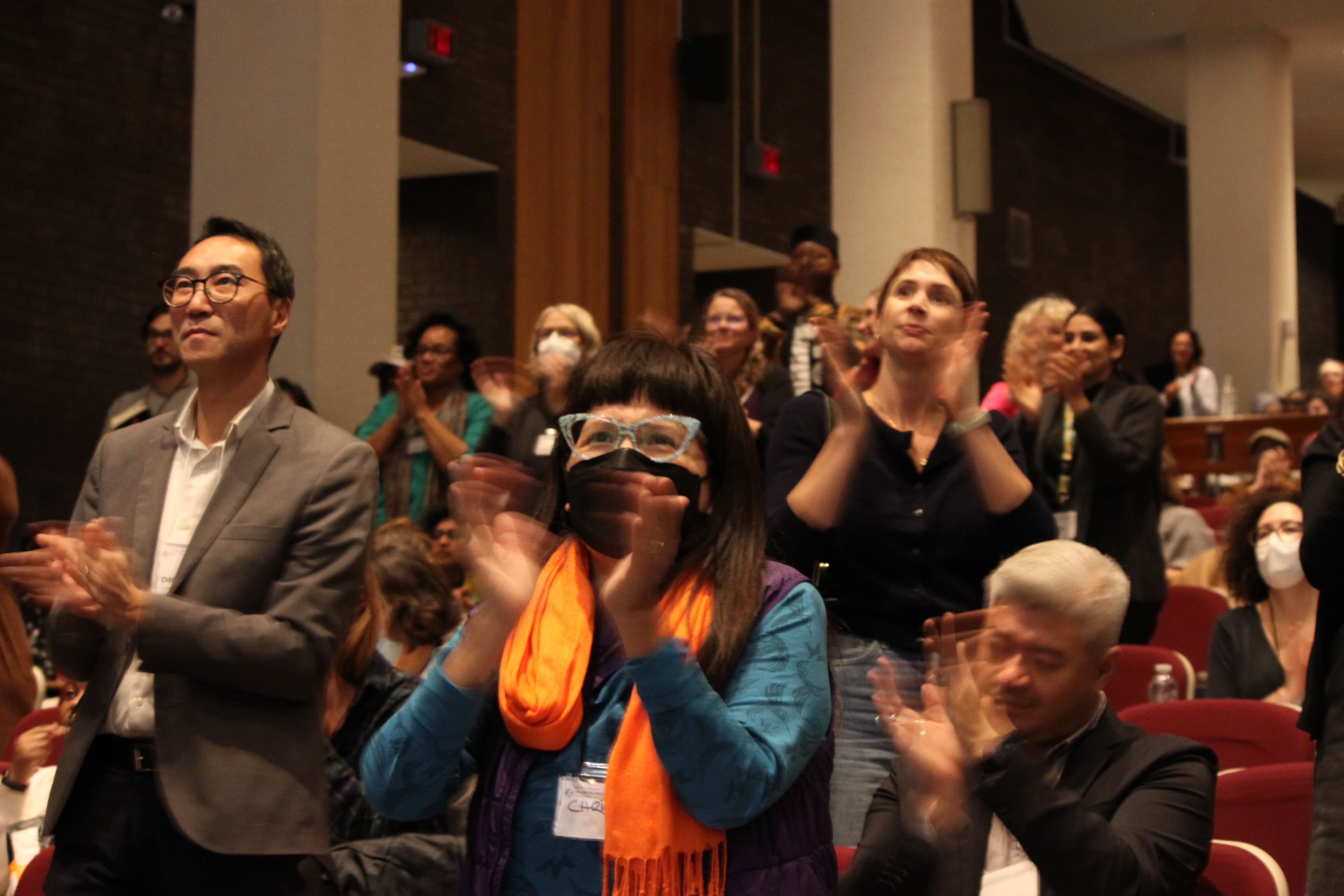
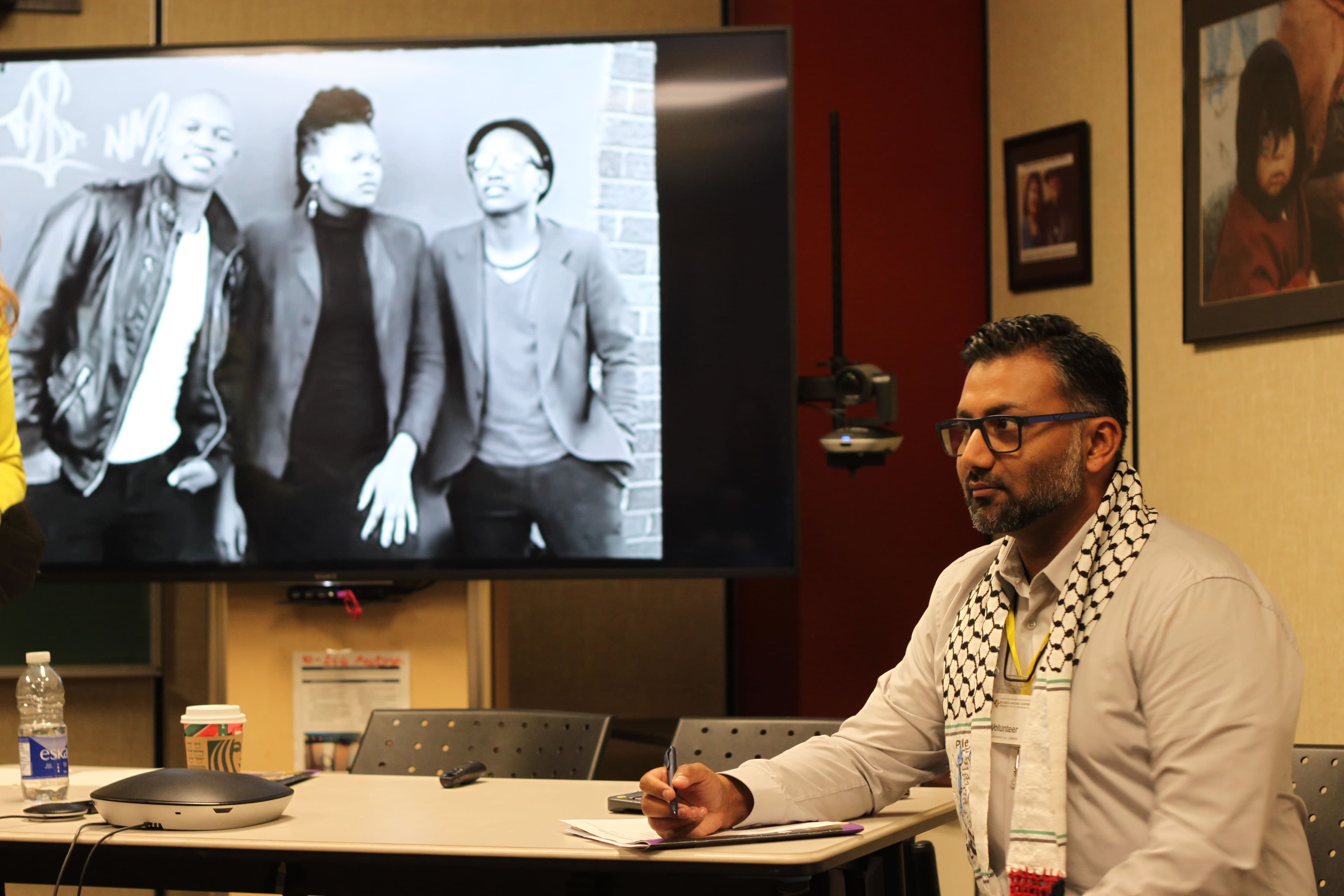
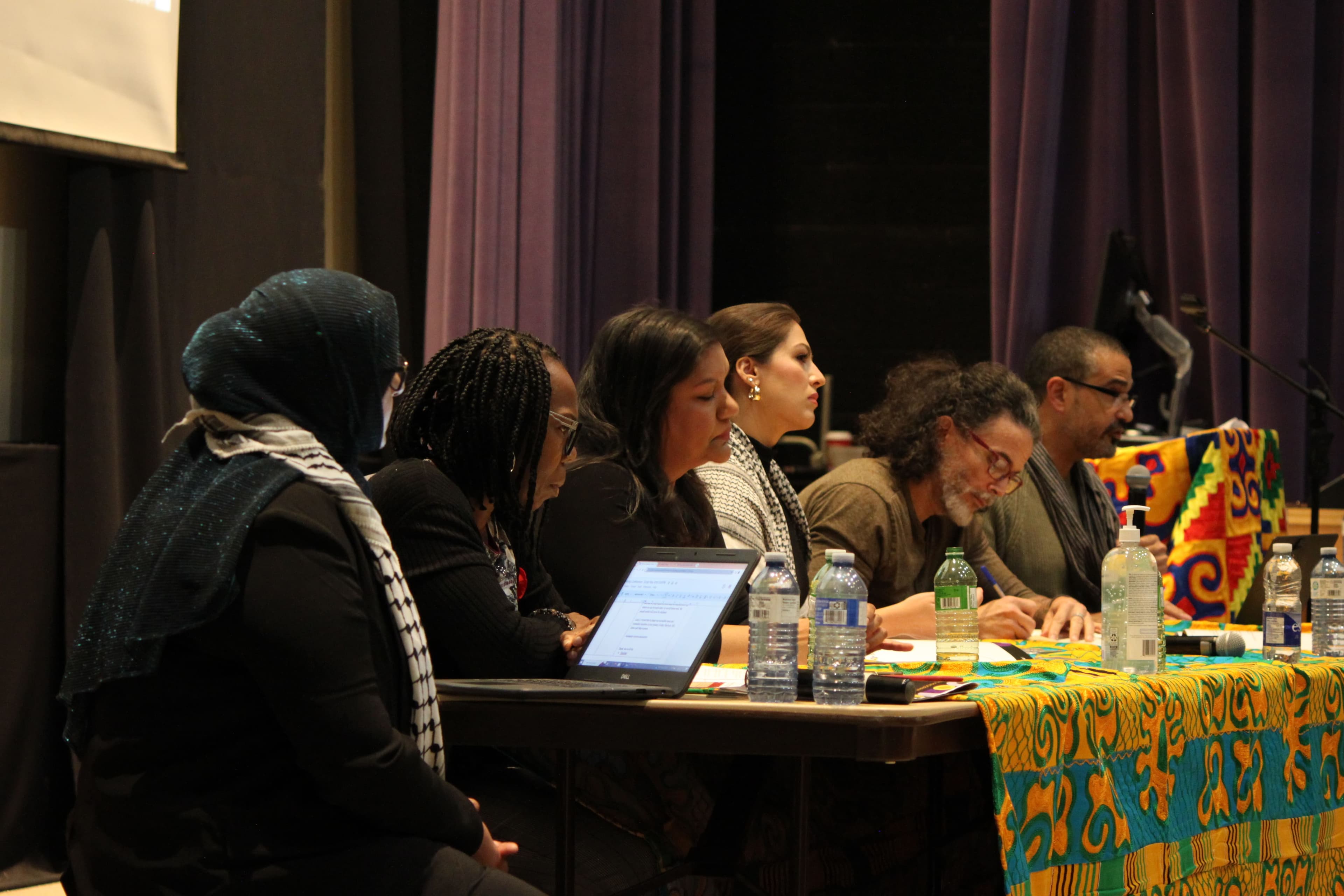
The ongoing legacies of colonialism continue to shape our world and our experiences within it—manifesting in racial hierarchies, health disparities, economic inequities, cultural erasures, and Land struggles and reclamations, all of which fuel ongoing geopolitical tensions. This conference offers a space for meaningful dialogue, critical reflection, and collective action, bringing together emerging and established scholars, artists, activists, community members and leaders, and other radical thinkers from around the world who are engaged in anti-colonial, anti-racist, and inclusive education work. Let us collectively address and confront ongoing global challenges and imagine possibilities for profound, sustainable change and regeneration.
Join us in-person at the Ontario Institute for Studies in Education (OISE), University of Toronto in Canada.
About the Conference
Anchored in de/anti-colonial thinking, the conference encourages dialectical and conjunctural analyses that connect the histories, ideas, and practices shaping human experience and growth. It seeks to advance critical anti-colonial knowledge, critique the present, and reimagine new futures of living well together—futures that resist continuing global capital extractivism and supremacist thinking, and instead, build alternative ways of knowing, being, and relating to one another.
The conference thus calls for ethical and transformative scholarship that bridges divides, nurtures community, and aligns theory with activism to move beyond mere awakening of critical consciousness. This involves the rejection of performative intellectualism and politics, advocating instead for the cultivation of communities grounded in academic mentorship and collective care. It is urgent for us to reject colonial binaries that promote “thinking in hierarchies,” eradicate toxicity and dehumanization and see education and social justice work as foundational to human liberation. Together, we aim to resist hate, violence, oppression, and all forms of genocide within the corollary of colonialism by bridging the gaps between scholarship, activism and social politics.
Guiding Questions
- How can we build anti-colonial solidarities rooted in radical hope and futurity?
- How might teachings of Land—sharing, reciprocity, connection, mutual interdependence, and community building, as well as shared responsibilities—subvert colonial hierarchies in education?
- How do we resist subjectivities and continue ancestral struggles for liberation?
- What epistemic and political practices can release us from colonizing relations?
- How can we reclaim control over our stories and identities to upend intellectual enslavement?
Leadership & Committee
With Leadership From Our Mentor and Director
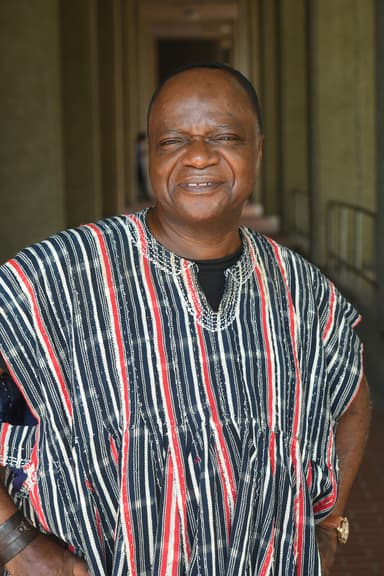
Nana George J. Sefa Dei
Ghanaian-born George Sefa Dei is a renowned educator, researcher and writer who is considered by many as one of Canada’s foremost scholars on race, anti-racism studies, Black and minority education, African Indigeneity and anti-colonial thought. He is a widely sought after academic, researcher and community worker whose professional and academic work has led to many Canadian and international speaking invitations in US, Europe and Africa. Currently, he is Professor of Social Justice Education & Director of the Centre for Integrative Anti-Racism Studies at the Ontario Institute for Studies in Education of the University of Toronto (OISE/UT). On May 6, 2024, Professor Dei received an honorary doctorate from the University of South Africa at the University’s convocation ceremony with an address at the University’s convocation. On June 8, 2024, Professor Dei again received an honorary doctorate in Social Work from Algoma University in Sault Ste. Marie, Ontario. Professor Dei is the 2015, 2016, 2018-19 Carnegie African Diasporan Fellow. In August of 2012, Professor Dei also received the honorary title of ‘Professor Extraordinarius’ from the Department of Inclusive Education, University of South Africa, [UNISA]. In 2017, he was elected as Fellow of Royal Society of Canada, the most prestigious award for an academic scholar. He also received the ‘2016 Whitworth Award for Educational Research’ from the Canadian Education Association (CEA) awarded to the Canadian scholar whose research and scholarship have helped shaped Canadian national educational policy and practice. He is the 2019 Paulo Freire Democratic Project, Chapman University, US - ‘Social Justice Award’ winner. In April of 2021, Professor Dei received the 2021 Lifetime Achievement Award from the Ontario Alliance of Black School Educators [ONABSE] for how long-standing work promoting Black and minority youth education. Also, Professor Dei in October 2023, was named by Silvertrust Media as one of the 100 most influential Black Canadians nationwide. He received this award at the African History gala where he was chosen as the keynote speaker. In March of 2023 Professor Dei has received the highly prestigious ‘2023 President’s Impact Award, given to a University of Toronto scholar whose work has reached beyond walls of academia to significantly impact local communities, nationally and internationally. In April 2023, Professor Dei was given an Honorary Research Associateship in The Centre of Excellence in Disabilities, University of South Africa, [UNISA]. Professor Dei has forty-seven (47) books, over eighty (80) refereed journal articles, as well as 78 chapters in books to his credit. Finally, in June of 2007, Professor Dei was installed as a traditional chief in Ghana, specifically, as the Gyaasehene of the town of Asokore, Koforidua in the New Juaben Traditional Area of Ghana. His stool name is Nana Adusei Sefa Tweneboah.
Meet the Committee

Kathy C. Lewis
Visionary educator, cultural strategist, and PhD student at OISE
Kathy C. Lewis is a visionary educator, cultural strategist, and secondary school educator, with nearly two decades of experience across ESL, English, Equity, Literacy, Library Programming, and Law. Her research examines how colonial schooling erases Black/African histories and how intra- and ultra-Black/African solidarities, ancestral memory, and Pan-African resurgence function as liberatory responses within the broader human project of collective freedom, repair, and restored relationality. She holds a B.A. and B.Ed. from York University and an M.A. in Social Justice Education from OISE, where she is completing her PhD. Her scholarly contributions include co-authoring the peer-reviewed article COVID-19, Systemic Racism, Racialization and the Lives of Black People (2021) with Dr. George J. Sefa Dei, contributing a chapter to Colonial Sickness (2024) under the supervision of Dr. Njoki Wane, and co-editing the forthcoming Special Issue on Equity and Inclusion with Dr. George Dei et al. She has also advanced public scholarship through the Centre for Integrative Anti-Racism Studies (CIARS), including her role as a panelist for CIARS In Conversation: Rising Up During COVID-19, moderating cross-racial dialogues, speaking at national and international forums, appearing on anti-racism and teacher-education podcasts, and contributing to conferences and faculty development programs focused on anti-racism, solidarity, and Black/African liberation.

Verne (Akosua Dorowaa) Hippolyte-Smith
Third-year doctoral student in Social Justice Education at OISE
Verne (Akosua Dorowaa) Hippolyte-Smith is a third-year doctoral student in Social Justice Education at the University of Toronto’s OISE. Grounded in de/anti-colonial and Afrocentric praxis, her work draws on her lived experience as a Black Creole (Kwéyòl) woman rooted in African and Caribbean Indigeneity and her frontline practice as a Youth Corrections Officer and Social Service Worker in Ontario. Drawing on African Indigenous epistemologies, she centers the collective essence of Blackness relational ethics, community responsibility, and harmony—as an anti-colonial lens for liberation-oriented identity formation. Her research spans Black identity, Pan-Africanism, Black geographies, and Indigenous knowledges, including the School-to-Prison Pipeline within broader carceral continuums. Her published work includes a chapter in Critical Perspectives on White Supremacy and Racism in Canadian Education: Dispatches from the Field (Kempf & Watts, 2024), titled “School as a Raceless Institution: The Operations of Multiculturalism on the Invisibilizing of Black Youth.” Across her work she advances an unapologetic Black radical commitment to authenticity, Black selfhood, and (re)awakening through community-rooted justice and education.
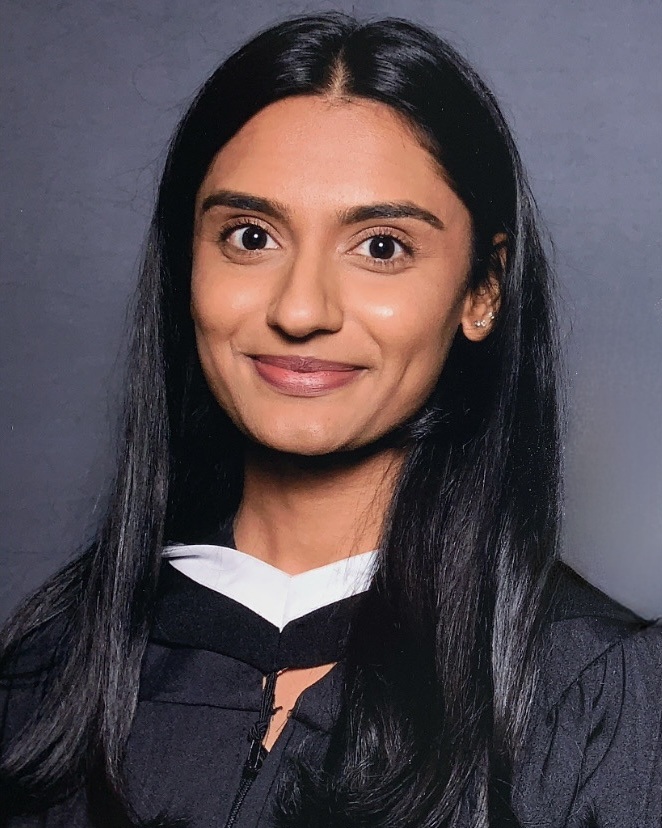
Kruti Patel
Kruti Patel, B.A., M.A., Ph.D Student | Child and Youth Care Practitioner
Kruti Patel (she/her) is a first-generation Indian immigrant daughter, school-based child and youth care practitioner, and third-year doctoral student in the Department of Social Justice Education at the Ontario Institute for Studies in Education-University of Toronto. Grounded in “post”/de-colonial theory, her areas of research include South Asian studies, race and ethnicity, migration and diaspora, transnationalism, and hom(ing) and identity. Her thesis examines the rising anti-Indian and anti-immigrant sentiment in an ostensibly multicultural Canadian society, and the ways in which self-identifying Indo-Canadian youth are resisting dominant characterizations of real “Canadianness” and re/claiming authentic Indianness in order to re/construct an empowering bicultural identity and foster belonging. Kruti’s recent scholarly contributions include two peer-reviewed papers, titled “Who am I when a part of me is elsewhere? Narratives of Transnational Homes and Multicultural Identities among Black Canadian Youth” (co-authored with Dr. Amal Madibbo), and “Adjusting to New Environments: Exploring the Challenges of South Asian Immigrant Students in Greater Toronto.”
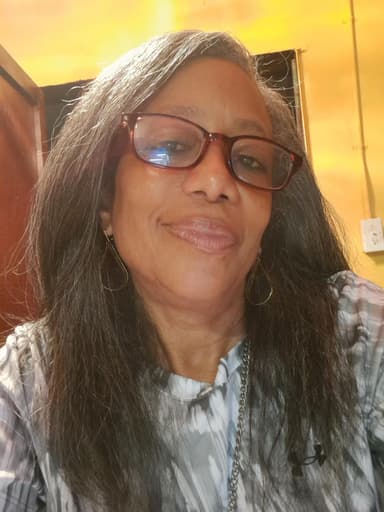
Denise (Akosua) P. Edwards
MEd in Social Justice, advocate for decolonization and DEIB
A socially just world is attainable through tireless, ongoing efforts of decolonization, which requires actively dismantling deeply rooted colonial systems of oppression, returning stolen lands, fostering Indigenous sovereignty, and challenging Eurocentric narratives. A MEd in Social Justice allows but a small opportunity for Denise (Akosua) to be an effective ally. DEIB 100
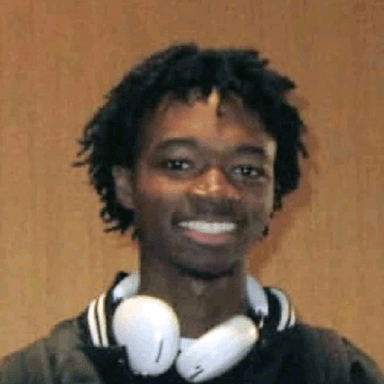
Mikhai Wilson
Software Engineer
Mikhai Wilson is a Math and Computer Science student who is excited to be the Software Engineer for this project.
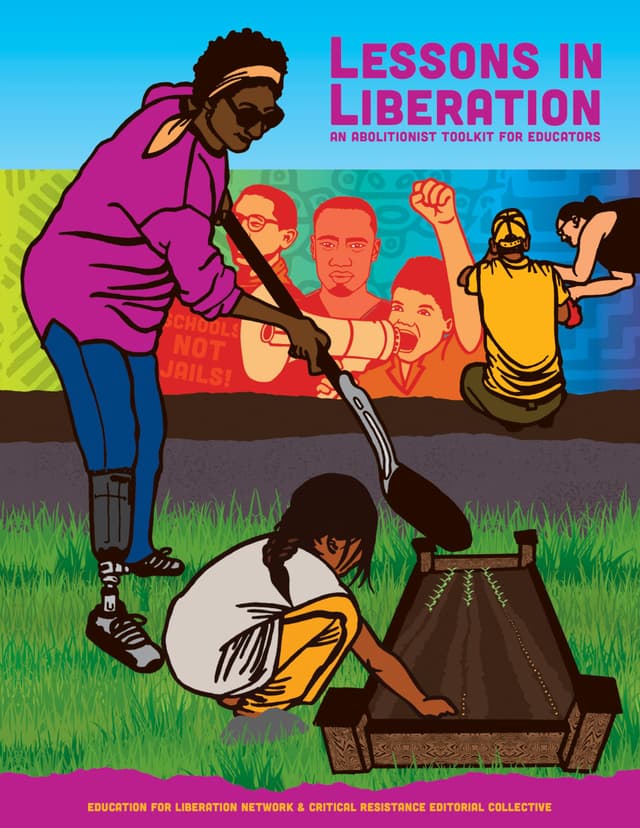
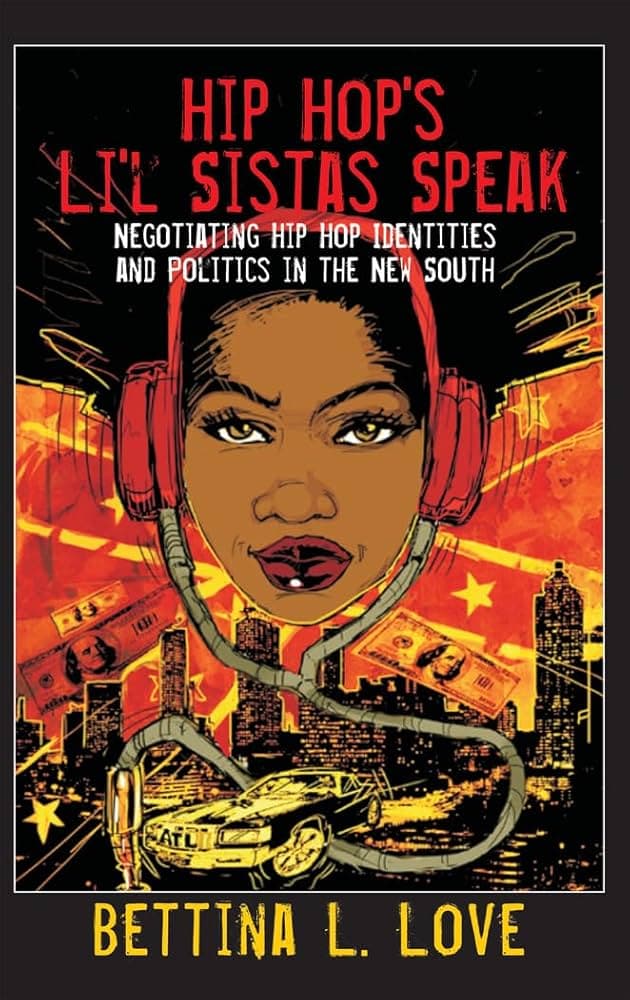
We are excited to introduce this year's keynote speaker, Dr. Bettina L. Love, a transformative thinker whose work bridges local experiences and global movements for justice, illuminating pathways toward freedom and the future of learning!
Keynote Speaker
Dr. Bettina L. Love
“A transformative thinker whose work bridges local experiences and global movements for justice, illuminating pathways toward freedom and the future of learning.”
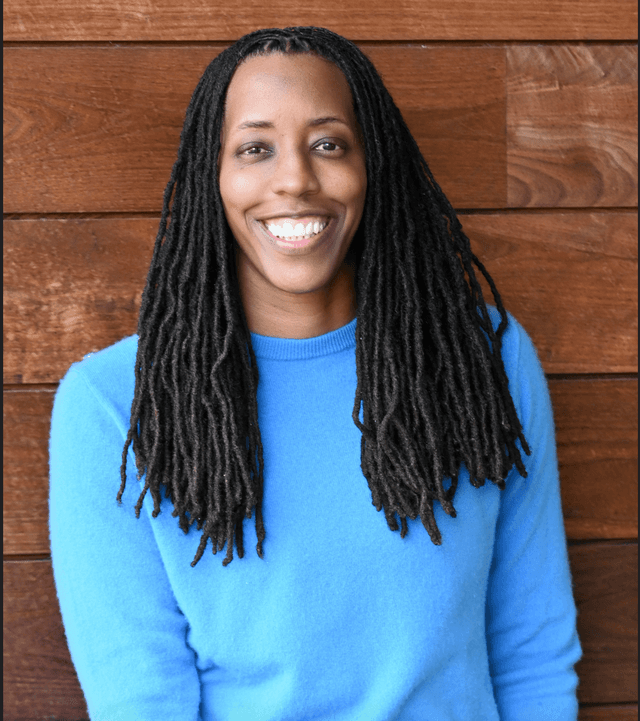
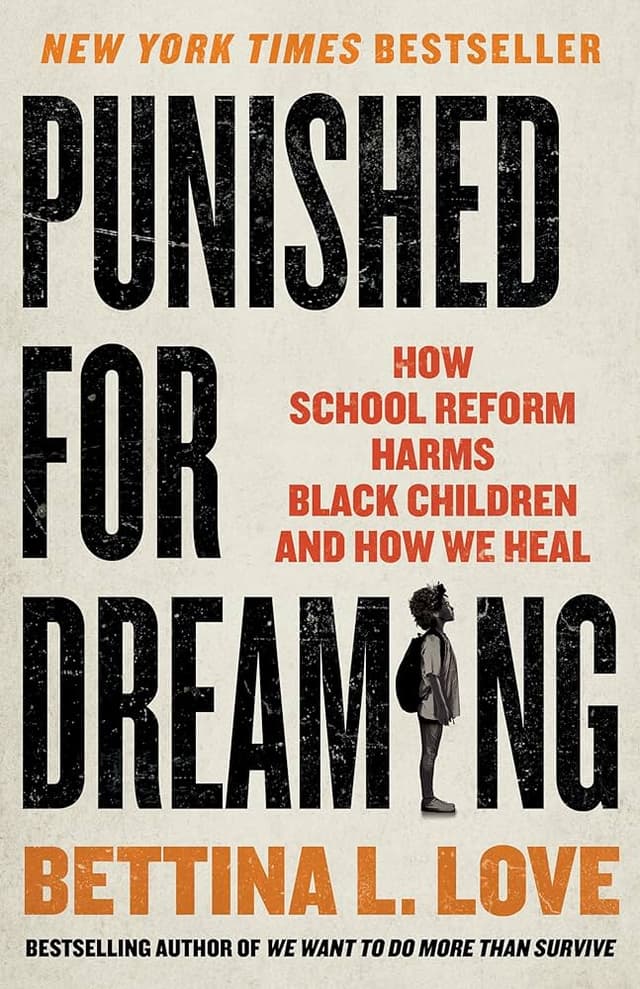
Dr. Bettina L. Love is the William F. Russell Professor at Teachers College, Columbia University, and the acclaimed author of Punished for Dreaming: How School Reform Harms Black Children and How We Heal, a New York Times bestseller. The book has received numerous honors, including the Stowe Prize for Literary Activism, a finalist for the LA Times Book Prize, the Goddard Riverside Stephan Russo Book Prize for Social Justice, the National Council for Black Studies' Anna Julia Cooper & C.L.R. James Book Award, and long-listing for the Brooklyn Public Library Book Prize.
In recognition of her transformative work, Dr. Love was named a 2022 Next 50 Leader by the Kennedy Center for her commitment to fostering inspiration, inclusion, and compassion. In 2024, she was honored with the Truth Award for Excellence in Education from Better Brothers Los Angeles and The Diva Foundation, as well as the Black Girl Magic Award at Lincoln Center in New York City.
Dr. Love was instrumental in the creation of the "In Her Hands" initiative, which distributed over $13 million in financial support to Black women throughout Georgia. A sought-after public speaker, she addresses issues including abolitionist teaching, anti-racism, Hip Hop education, Black girlhood, queer youth, educational reparations, and the power of art-based education in civic engagement.
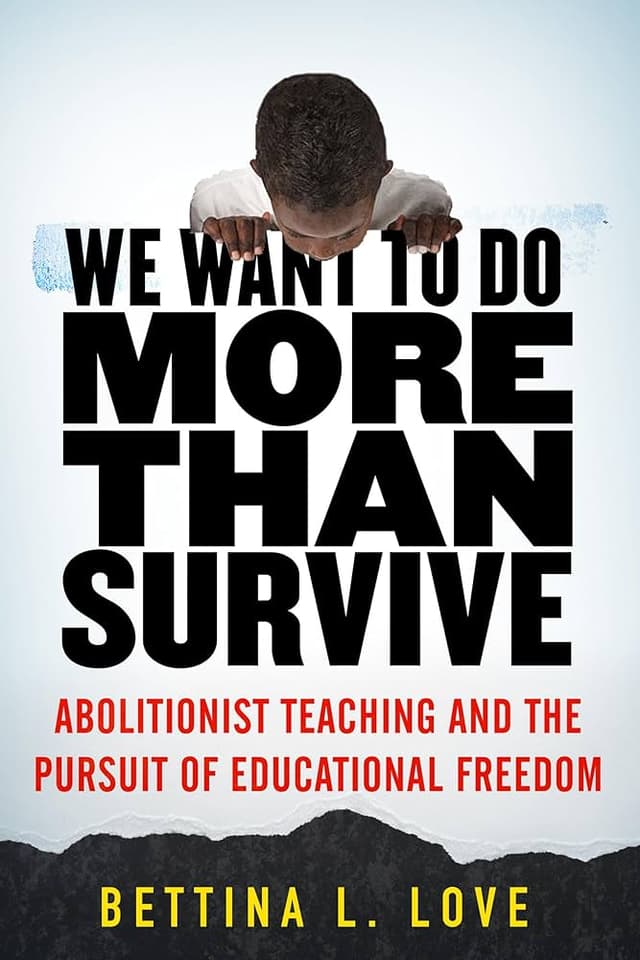
Her 2019 book, We Want To Do More Than Survive, has sold nearly 200,000 copies and is a foundational classroom text, cementing her as one of today's most influential voices in education.
About the Logo
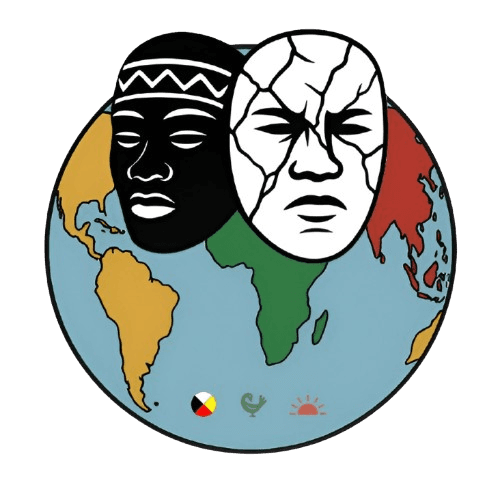
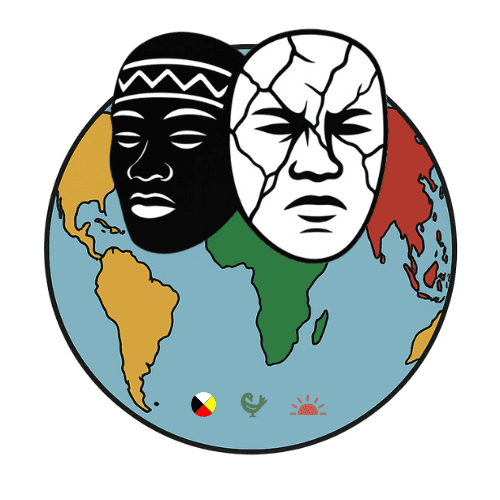
The CIARS Decolonizing Conference logo visually embodies the conference’s commitment to exposing, disrupting ongoing coloniality while advancing resistance and liberatory futures. The two masks symbolize the unmasking of Eurocentric settlerhood and colonial power, alongside enduring practices of resistance, reclamation, and restoration. Together they signify both rupture and continuity. Set against a global backdrop, the image highlights the worldwide reach of coloniality and its entanglement across peoples, and histories. It emphasizes Land as a living source of knowledge, reciprocity, connection, and sovereignty. The global framing underscores the necessity of transnational solidarities and collective efforts to “live well for new futures.” Accompanying symbols—the Medicine Wheel, Sankofa, and the Rising Sun—represent ways of knowing, being, and relating. Together, they gesture toward renewal, possibility, ancestral wisdom, relational and holistic worldviews that challenge dominant epistemologies and ground scholarship and advocacy in community, collectivity, and futurity.
Plenary Sessions
This plenary brings together grassroots organizers, Elders, youth advocates, scholars, and community collectives across Canada and the Black diaspora to confront escalating attacks on equity, justice, and so-called “wokeism.” As governments and institutions intensify pushbacks against DEI, and culturally responsive education, and introduce policies such as Bill 33, Black communities have developed relational, insurgent forms of resistance that often operate beyond public protest. Grounded in kinship, care, and collective responsibility, these strategies respond to shared harms across education, child welfare, health care, neighbourhoods, and the criminal justice system. Through local and transnational perspectives—from Canada to the Caribbean, South America, and Africa—Panelists on this panel will speak about how Black communities build solidarity, mutual aid, and protective networks, imagining liberation as collectively held, locally rooted, and globally connected.
Speakers: Desirée Gonzalez, Andrea Vásquez Jiménez, Dr. Amal Madibbo, Dr. Hadiya Roderique, Andre Stephens
The Cross-Racial Dialogue Plenary creates a shared space for racialized communities, scholars, activists, and organizers to engage in honest, relational, and transformative dialogue about race, power, solidarity, and collective resistance. In a moment marked by intensifying anti-Blackness, xenophobia, “anti-wokeism,” renewed attacks on equity, and the expansion of carceral practices in schools and neighbourhoods, this plenary examines how racialized communities—Black, Indigenous, Asian, Latinx, Arab, and others—experience overlapping yet distinct forms of systemic harm. Moving beyond surface-level unity, the dialogue invites participants to confront anti-Blackness within and across communities, acknowledge historical tensions, and cultivate practices of listening, truth-telling, and collective responsibility. Through critical conversations, storytelling, and shared analysis, the plenary highlights how cross-racial coalitions can resist punitive systems, challenge surveillance and criminalization, and advance community-based, humanizing alternatives, affirming that liberation is relational, interdependent, and strengthened through accountable, co-created action.
Speakers: Nigel Barrife, Derik Chica, Dr. Sayema Chowdhury, Harpreet Ghuman, Dr. Arlo Kempf, Dr. Vidya Shah, Monica Tang
The Global Indigeneities Plenary brings together Indigenous knowledge holders, scholars, community leaders, and cultural practitioners from across the world to explore shared struggles and interconnected futures. Grounded in anti-colonial theory, Indigenous resurgence, and relational worldviews, it affirms Indigenous knowledge as living, dynamic, and futurist practice rather than historical artifact. Connecting teachings from Turtle Island, Africa, the Caribbean, South America, and Oceania, the plenary examines how colonial institutions reproduce harm through schooling, policing, Land dispossession, and state control, while also highlighting Indigenous-led practices of resistance, resurgence, and transformation. Rooted in relational accountability, this plenary positions Indigenous knowledge as a critical framework for disrupting racialized violence, resisting assimilationist policies, and building collective futures grounded in sovereignty, care, and interdependence, reminding us that the knowledge needed to dismantle colonial systems already exists within Indigenous communities worldwide.
Speakers: Juliana Rodriguez-Barrera, Cristina Jaimungal, Dr. Maria Mackay, Sandra Styres, Dr. Njoki Wane
This plenary will build on conversations during the CIARS Summer Institute on African Indigeneity and ElderCrits, a transformative two-week program held in Ghana in August 2025. The Institute was delivered in collaboration with The University of Education, Winneba (UEW), SDA College of Education, Asokore–Koforidua, and the College of Education, University of Ghana, Legon–Accra. Rooted in African Indigenous knowledge systems and de/anti-colonial educational praxis, the Institute offered an immersive experience that combined seminars, workshops, student presentations, and sustained dialogue with land-based, cultural, and community-engaged learning in sites of memory, resistance, and resurgence, while centering Elders, Chiefs, and local knowledge holders as co-educators and theorists. Building on these collective insights, the plenary positions African ElderCrit as a critical and generative intervention for epistemic liberation, drawing on African Indigenous philosophies, oral traditions, spirituality, and communal governance to disrupt Euro-centric assumptions about knowledge, learning, authority, and development, and to engage African Indigeneity as living theory capable of confronting educational violence, anti-Blackness, and anti-Indigenous racism while opening pathways toward humanizing, decolonial futures.
Speakers: Dr. Paul Banahene Adjei, Dr. Vincent Adzahlie-Mensah, Dr. Nana George Dei, Dr. Hope Pius Nudzor
The African Elders Plenary honours African Indigenous knowledge systems as critical intellectual, cultural, and political resources for confronting anti-Black harm across education, child welfare, community, health care, and justice systems. Drawing on Elders’ cultural knowledges (ELDERCRITS), the session centers Elders as theorists, memory-keepers, and leaders whose teachings illuminate alternative pathways to care, governance, and collective responsibility, positioning them as key guides in understanding how communities resist harm and build transformative educational futures. Grounded in African worldviews, relational ethics, and intergenerational practices, the plenary brings Elders, scholars, and community members together to explore how philosophies such as Ubuntu and Sankofa, and approaches to communal care, storytelling, and Indigenous leadership structures support local resurgence, human dignity, while strengthening diasporic solidarities across Canada, the Caribbean, South America, and the African continent. The Plenary will lead discussion to offer powerful frameworks to challenge Western, carceral, and individualistic models of schooling, governance, and justice while articulating relational, restorative, and humanizing pathways for rebuilding educational and social systems rooted in dignity, care, accountability, and common/community purpose.
Speakers: Dr. Paul Banahene Adjei, Nana Kwabena Asamoah, Dr. Nana George Dei, Sylvia Parris
Schedule & Speakers
View the full 3-day conference schedule including all sessions, presenters, and room assignments.
Live Art Activation
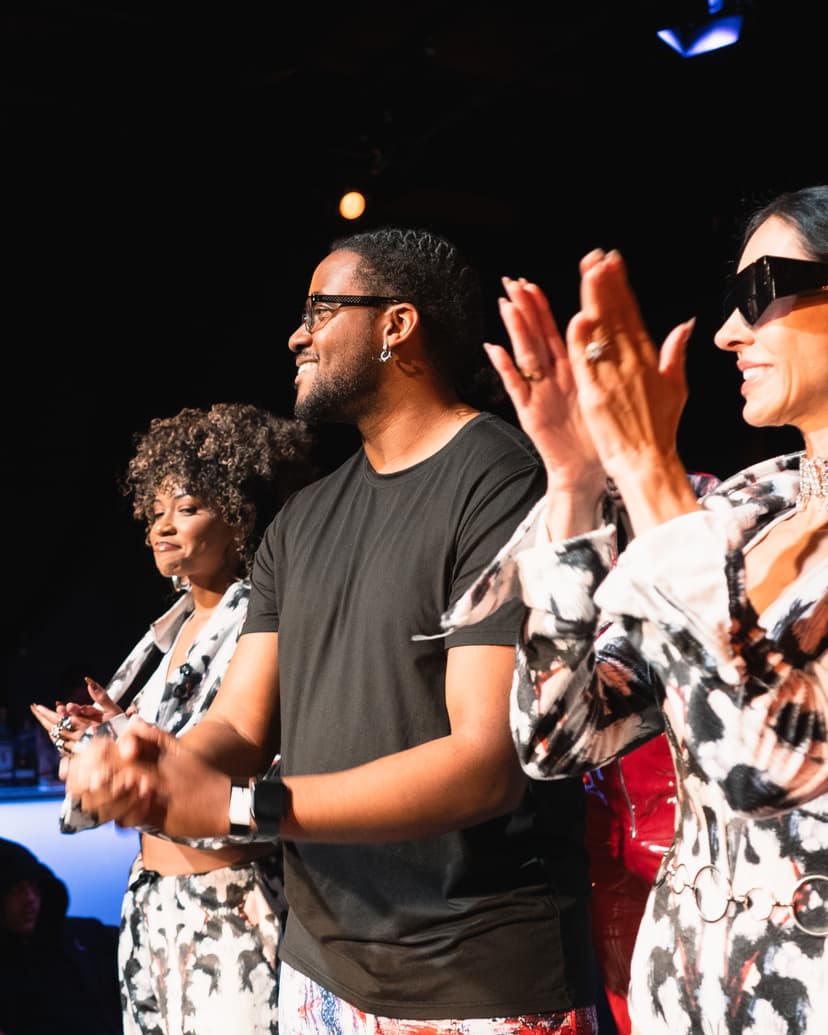
Experience the conference come alive through the brush of a live painter.

Kareem Mitchell
M.Arch · Artist & Architectural Designer · KDJM Studio
Kareem Mitchell is a Toronto-based artist and architectural/urban designer who combines diverse visual techniques through rigorous creative exploration. With a passion for innovation, Kareem believes that creativity and vision transcend disciplines, that skills are transferable across mediums, and that design is grounded in empathy.
His interdisciplinary practice sees design, art, and storytelling converge at the intersection of spatial thinking and culture. He received his Master of Architecture from Carleton University and has conducted research across Europe, Asia, and Africa on heritage architecture, urbanization, and affordable housing.
As an artist, Kareem's work expresses emotion through the magnification of color, figure, and conceptual abstraction. His artwork has been exhibited at the Ottawa Art Gallery (OAG), and through KDJM Studio he has showcased collections at Fashion Art Toronto and RunwayTO. He is a recipient of recognition from Black Designers of Canada and won 1st Place in Avant-Garde Streetwear at the Evolution of Fashion competition.
A Glimpse of His Work

.png&w=828&q=75)
Plan Your Trip
We are pleased to announce that all guests travelling to Toronto who require hotel accommodations will receive a special rate at The Yorkville Royal Sonesta. The hotel, located at 220 Bloor St W, Toronto, ON M5S 3B7, is a five-minute walk from the conference venue.
For the self-booking process, please contact us at centreforiars@gmail.com to receive the PROMO code.
To book with the hotel directly, please contact Ashish Shetty at ashish.shetty@sonesta.com or paina.paina@sonesta.com.
.jpg&w=828&q=75)
.jpg&w=828&q=75)
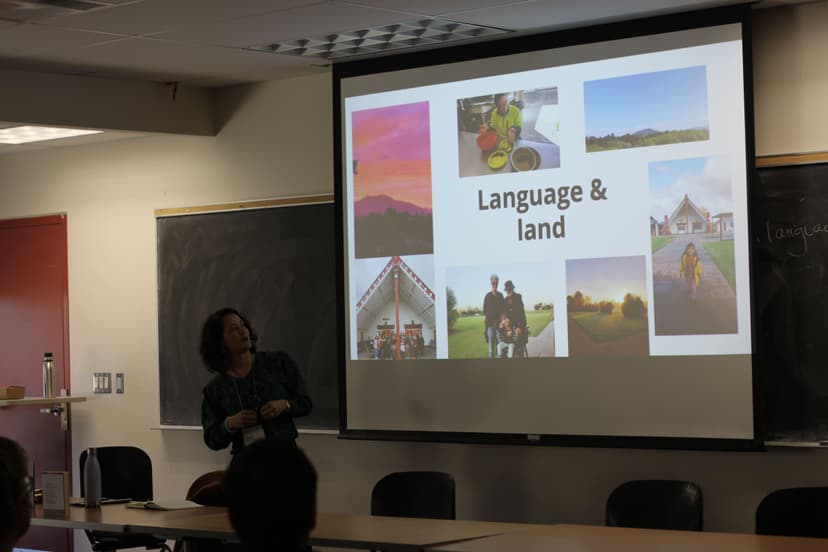
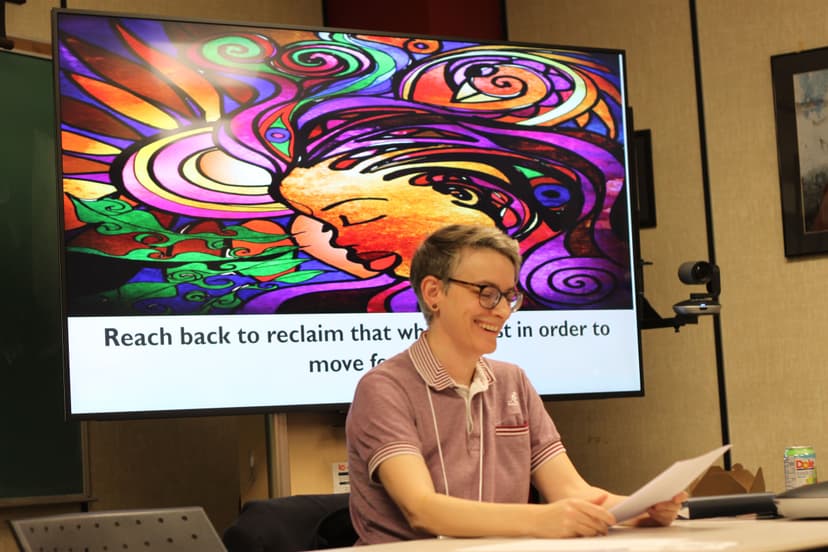
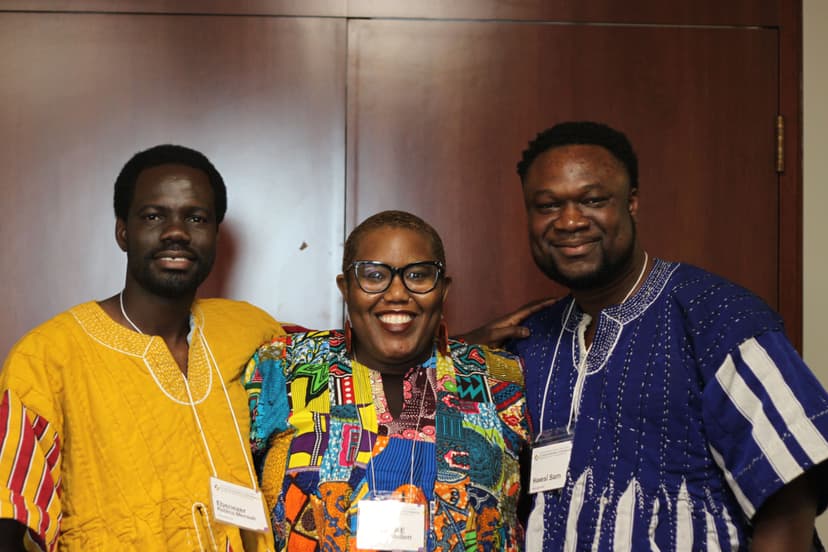
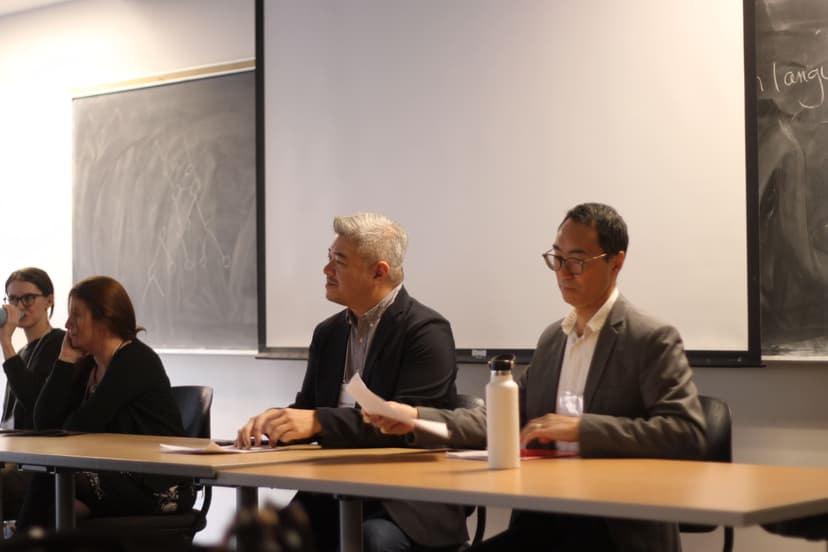
From Our Past Gatherings
.jpg&w=828&q=75)
.jpg&w=828&q=75)
.jpg&w=828&q=75)
(1).jpg&w=828&q=75)
In Collaboration With




Social Gathering
Join us on March 14 from 8:30PM to 11:30PM for an evening of celebration and connection. Together, let's enjoy good food, lively music, and the company of passionate students, scholars, and community members! Please be advised that ticket purchases for the social gathering are separate from the conference registration.